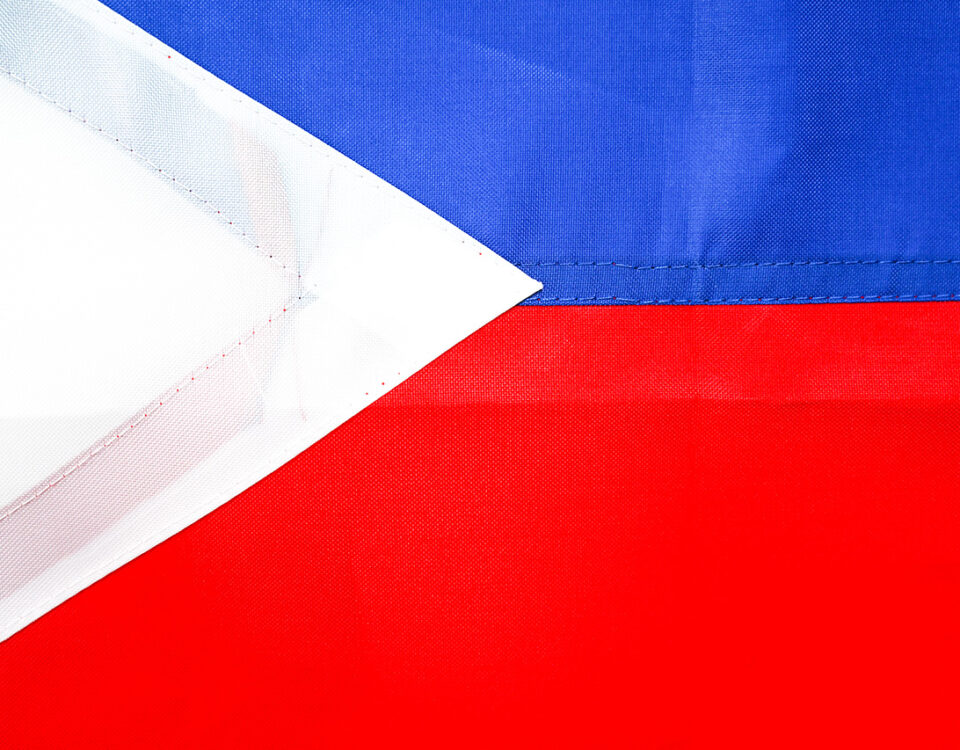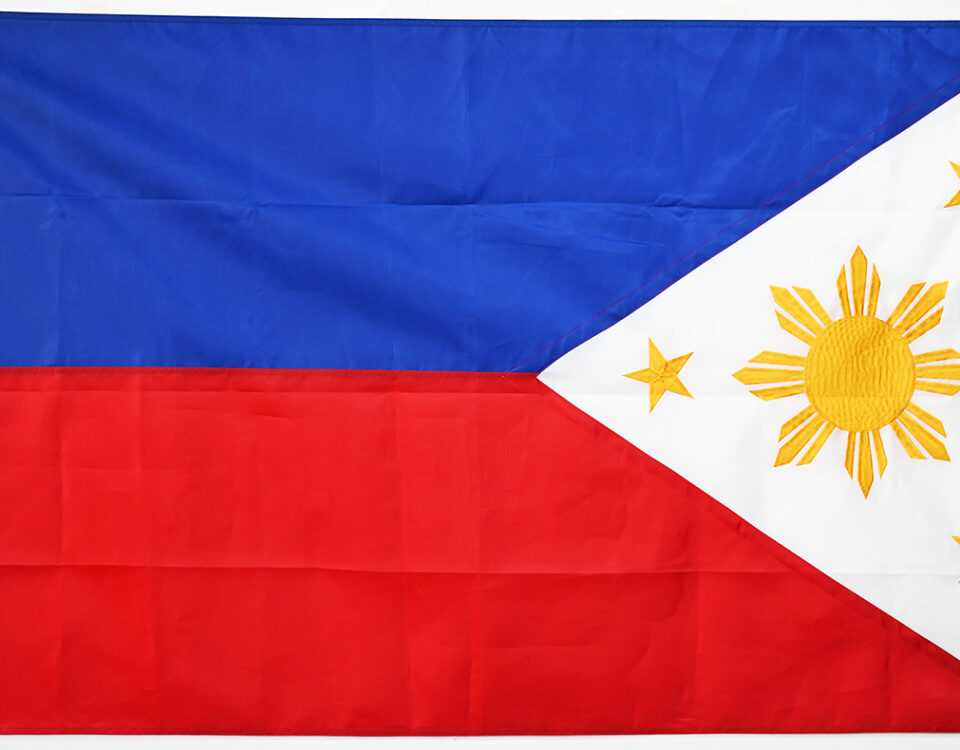
Philippines Flag Buying Guide: Sizes, Colours and Mounting Options
2026年9月22日
Buying Indonesian Flags for Government, School and Office Tenders
2026年9月24日
Why Prayer Rugs Need a Real Spec Sheet
Prayer rugs — sajadah, sejadah, or prayer mats depending on the market — are one of the few textile categories with year-round demand and a predictable seasonal spike. Across Indonesia, Malaysia, Brunei, Singapore, southern Thailand and the Philippines, buyers range from Muslim lifestyle retailers and hypermarket chains to mosque supply committees and companies building Ramadan corporate gift programmes.
The trap is that many of these orders get placed on a single product photo and a target price. Prayer rugs look simple: a rectangle, a pattern, a soft pile. But two rugs that photograph identically can differ sharply in pile weight, backing construction, print method and finishing. Those differences decide whether the goods sell through cleanly or sit in the warehouse with returns attached.
This guide covers the three decisions importers actually have to make — material, size, and what to inspect — plus how to brief a manufacturer so the second order matches the first.
Materials: What You Are Really Choosing
Face fabric
- Polyester plush / velour (“velvet” in trade talk): the most common face for printed prayer rugs. Accepts dye-sublimation well, gives a soft hand, and comes in a wide colour range. Lightweight, which keeps freight reasonable.
- Chenille: a thicker, more textured surface with a traditional feel. Often jacquard woven or tufted rather than printed, so artwork needs to be designed for weave repeat rather than full-colour print.
- Microfiber: dense and smooth, holds fine detail well — useful for intricate arabesque and geometric patterns.
- Cotton and cotton blends: breathable with a natural hand. Ask whether the fabric is pre-shrunk, since unshrunk cotton can shift dimensions after the first wash.
- Polypropylene: a lower-cost option with a firmer, more utility feel. Common in high-volume promotional pieces.
- Jacquard woven faces: the pattern is built from coloured yarn rather than printed. Higher cost per piece, but the design does not sit on top of the surface.
Backing and grip
Backing is where a lot of margin quietly disappears. Options include PVC dotted anti-slip backing, TPR, foam or latex layers, and plain fabric. Two questions matter. First, does the grip actually hold on tile and on thin carpet — both are common in the region. Second, how does the backing behave in heat and humidity? Foam-backed rugs that sit in a hot, humid warehouse for months can crumble or separate at the edges before they ever reach a shelf. If your market is tropical, test the backing after a period in your own storage, not just on arrival.
Decoration methods
- Dye-sublimation print: ideal for polyester faces. No added hand, good gradient and photographic reproduction, and the design does not sit as a raised layer on the surface.
- Screen print: heavier ink deposit and lower setup cost for simple, few-colour designs, but ink can crack if the rug is folded hard or stretched.
- Jacquard weaving: pattern formed in the yarn. Suits traditional motifs and long-run retail programmes.
- Embroidery and appliqué borders: used to lift a mid-tier piece, often combined with a printed face.
One design note worth raising early with your supplier: many buyers deliberately avoid printing Quranic verses on the face of a rug that feet will contact, and instead use mihrab arches, mosque silhouettes, geometric repeats, floral arabesque or plain tonal designs. It is a sensitivity point that varies by market, so confirm your buyer’s preference before artwork is finalised.
Sizes and Formats
Sizing in this category is not standardised, so confirm dimensions in writing rather than relying on “standard size”. The formats below cover most programmes.
| Format | Typical dimensions | Notes |
|---|---|---|
| Travel / pocket | 40 × 60 cm to 50 × 100 cm | Folds into a zip pouch; popular as giveaways and corporate gifts |
| Child / junior | 50 × 90 cm approx. | Growing category in school and family retail |
| Standard adult | 60 × 100 cm to 70 × 110 cm | Highest-volume format in most markets |
| Large adult | 80 × 120 cm | Common in Malaysia and Singapore mid-tier retail |
| Extra large / shared | 100 × 150 cm and above | Mosque and institutional supply |
| Roll-up / padded | 60 × 120 cm approx. | Thicker construction; larger carton, higher freight per unit |
Two practical details. First, thickness is usually stated in millimetres — thinner flat mats sit in the 3–6 mm band, padded and memory-style mats run considerably thicker. Get the figure in the spec, because it drives carton dimensions and therefore freight. Second, artwork orientation matters: on a mihrab design, confirm which edge the arch points to, and confirm it consistently across every piece in the order.
Quality Checks to Build Into the Order
Pile weight and density
Ask your supplier for the pile weight in grams per square metre and compare it against the sample you approved. Two rugs at the same dimensions can differ noticeably in weight, and the lighter one will show backing through the pile sooner in use. Weigh a finished piece — it is a fast, objective check that costs nothing.
Colour and print quality
Check print registration on multi-colour designs, look for halo or bleed at colour boundaries, and inspect tonal gradients for banding. For colourfastness, a simple dry and wet crocking test — rubbing a damp white cotton cloth across the surface — will show whether colour transfers. Buyers with strict retail requirements can also arrange their own third-party testing through a lab of their choice.
Construction and finishing
- Binding tape or overlock stitching: tight and even, no skipped stitches.
- Fringe: tug each fringe tuft by hand; it should resist without pulling free.
- Corners: squared, not rounded or puckered.
- Backing: peel a corner and check that PVC dots or coating do not flake, and that no adhesive has bled through to the face.
Odour and chemistry
Open a carton and smell the goods. A strong solvent or adhesive odour usually points to residual chemistry in the print or backing rather than the fabric itself. If your market has restrictions on phthalates or azo dyes, raise this before production, not after.
Dimensions and labelling
Lay a sample flat, allow it to relax, then measure. A tolerance of roughly ±2–3% is common in soft textiles, but confirm the number you will accept and hold the factory to it. Also verify the sewn-in label, care instructions, barcode and polybag print — these are frequent sources of retail chargebacks.
Moisture and packing for tropical shipping
Humidity is the quiet risk in this region. Specify desiccant packs, individual polybags and a carton liner
Browse the full range: https://flagpartner.com/shop/
Email: flagswin@flag-win.vip
WhatsApp: +86 13031678795
Facebook: https://www.facebook.com/StarFlagFactory/
Alibaba.com: https://wfqyflag.en.alibaba.com/